Hospice
How hospice works in Colorado
Hospice is for someone whose doctor expects about six months or less if the illness follows its usual course, and who has decided, with family, to put comfort ahead of more treatment. The focus moves to easing pain and breathlessness, staying out of the hospital, and spending time well.
CDPHE licenses every hospice in Colorado, and most are also certified by Medicare. Teams cover a lot of ground: from the Denver metro to mountain towns where a nurse may drive an hour to a visit. Ask exactly which areas a hospice covers before you sign on.
Colorado gives families two papers that matter at the end of life. A CPR directive, signed by a doctor, tells paramedics not to start CPR. A MOST form, Medical Orders for Scope of Treatment, records which treatments your loved one wants. Your hospice team can help you complete both.
What a Colorado hospice team provides
Comfort-focused nursing
Regular visits to control pain, breathing and restlessness, with medicines adjusted as needs change.
A full team
A hospice physician, nurses, aides who help with bathing, a social worker, a chaplain and trained volunteers.
Equipment and supplies
A hospital bed, wheelchair, oxygen and supplies related to the illness, brought to where your loved one lives.
A nurse at night
A phone line answered around the clock, and a nurse who can come out when needed.
Breaks for family
Respite stays of up to five days, and inpatient care when symptoms can't be managed at home.
Grief support
Calls, groups and counseling for the family for about a year afterward.
What families often notice first
- Meals going back mostly untouched
- More hours in bed and less interest in visitors
- Infections or wounds that keep returning
- Repeated trips to the emergency room
- Being short of breath after a few steps
- Saying, in their own way, that they are done with treatment
How Colorado Senior Care Network helps with hospice
Someone to sort it out with
Tell us what is going on with your mom, dad or spouse, and a Colorado Senior Care Network guide helps you narrow the hospice choices near them, free and with no sales pitch.
Every licensed option nearby
We build the hospice list from Colorado Department of Public Health and Environment (CDPHE) licensing records, Medicare Care Compare and the federal NPI registry, then send you the 10 closest to your ZIP code, with Medicare stars and Google ratings where they exist.
Only the providers you pick hear from you
Choose the places you want to talk to, and we send your information to them and no one else. Families pay nothing, and no provider pays us a referral or placement fee. Featured listings are paid advertising and are labeled that way.
Questions to ask a Colorado hospice
Bring these on a call or a tour. A good provider will be glad you asked.
- Which towns and ZIP codes do you serve, and where is your nearest office?
- If we call at 2 a.m., how long until a nurse can be here, including in winter weather?
- How many nurse and aide visits should we expect each week at the start?
- How do you work with assisted living staff day to day?
- Where do patients go if symptoms can't be controlled at home?
- Will you help us complete a CPR directive and a MOST form?
- How do your Medicare family survey results compare with others nearby?
Hospice: common questions
See all 33 hospice questions and who to call
What is the difference between a CPR directive and a MOST form?
A CPR directive is a short order, signed by a doctor, that tells emergency responders not to start CPR. A MOST form covers more, such as whether to go to the hospital or use a feeding tube, and is meant for people with serious illness or frailty. Many hospice patients have both.
Can someone get hospice in assisted living?
Yes. The hospice team visits and works with the residence's staff, who continue the daily care.
Can we change hospices?
Yes. Medicare allows one change of hospice in each benefit period, and the new hospice helps with the paperwork.
Does Health First Colorado pay for hospice?
Yes, for members. If your loved one also has Medicare, Medicare usually pays first.
On the Colorado care map
116 hospice providers listed in Colorado
Most in Denver, Colorado Springs, Greenwood Village, Aurora, Centennial, Pueblo. Search by city or ZIP, or ask a guide to find the right fit for free.
Are you a hospice provider? Premium listings show first on the care map, with your logo, a photo gallery and a virtual tour.
Resource hub
Guides that help with this decision

Other kinds of care we help families find
 Home Health
 Mobile Medical Care
 Home Infusion
 In-Home Personal Care
 Senior Living
 Assisted Living
 Memory Care
 Skilled Nursing & Rehab
 Adult Day
 Respite Care
 Case & Care Management
 Medical Equipment
 Home Modification
 Long-Term Care Pharmacy
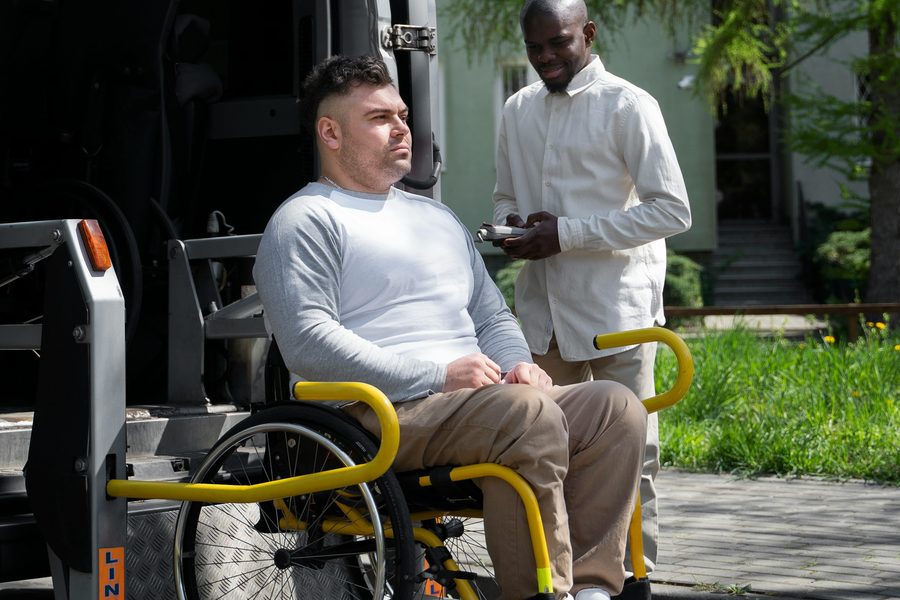 Medical Transportation
 Dialysis
 Hospitals
 Addiction Recovery
 Mental Health
Sources
- Medicare.gov: Hospice care
- Medicare Hospice Benefits (official booklet)
- Medicare.gov: Care Compare
- CDPHE: Health facilities
- CDPHE: Advance care planning
This page is general information, not medical, legal or financial advice. Coverage rules change; confirm details with the program or your plan. Last reviewed October 31, 2026.